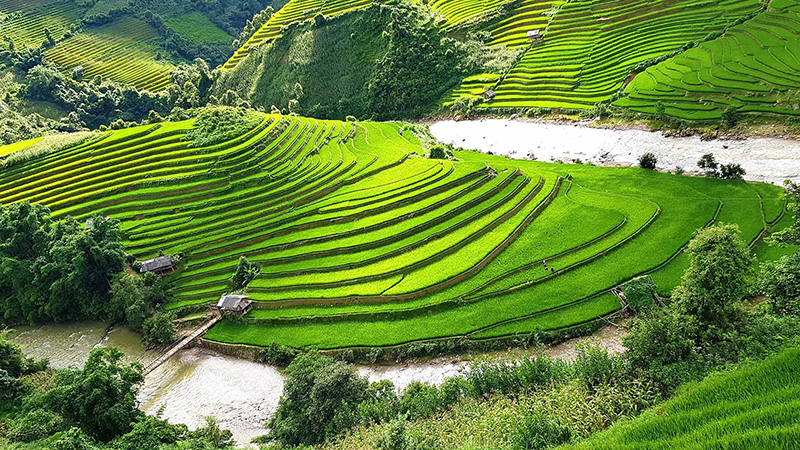
Vietnam is a country that defies simple categorization. It is a land where ancient traditions coexist with a frenetic, modern energy, and where the scars of the past have been healed by a spirit of incredible resilience and hospitality. For the traveler in 2026, Vietnam remains one of the most rewarding destinations in Southeast Asia. Offering a sensory tapestry of emerald rice paddies, limestone karsts, neon-lit metropolises, and some of the world’s most sophisticated street food.
Whether you are seeking the serenity of a mountain retreat or the chaos of a bustling market. Vietnam provides an immersive experience that stays with you long after you have returned home. This guide explores the essential regions, cultural nuances, and logistical tips needed to navigate this captivating nation.
The North: Mist-Shrouded Mountains and Colonial Charm
The northern region of Vietnam is the country’s cultural heart. Characterize by dramatic landscapes and a climate that experiences four distinct seasons.
Hanoi: The Graceful Capital
Hanoi is a city of lakes and shaded boulevards. Unlike the more modern Ho Chi Minh City, Hanoi retains a nostalgic atmosphere. The Old Quarter, a labyrinth of 36 streets named after the original guilds that occupied them, is the city’s pulse. Here, you can sit on a low plastic stool and enjoy a “Bun Cha” (grilled pork with noodles) while the world whizzes by on motorbikes. Don’t miss the Temple of Literature or a morning walk around Hoan Kiem Lake to witness locals practicing Tai Chi.
Ha Long Bay and Beyond
A few hours east of Hanoi lies Ha Long Bay, a UNESCO World Heritage site featuring thousands of limestone islands rising from turquoise waters. To escape the crowds in 2026, many savvy travelers are opting for Lan Ha Bay or Bai Tu Long Bay, which offer the same ethereal beauty with significantly less maritime traffic. Further north, the highlands of Sapa and Ha Giang offer breathtaking trekking opportunities among terraced rice fields and ethnic minority villages.
The Center: History, Art, and Coastal Luxury
Central Vietnam is where history comes alive. This narrow strip of land is home to imperial ruins, preserved trading ports, and some of the country’s most beautiful beaches.
Hue: The Imperial City
As the former seat of the Nguyen Dynasty, Hue is a city of elegance. The sprawling Citadel and the Forbidden Purple City offer a glimpse into Vietnam’s royal past. A dragon boat ride down the Perfume River to visit the various royal tombs is a must for any history enthusiast.
Hoi An: The City of Lanterns
Hoi An is arguably Vietnam’s most atmospheric town. This former international trading port is a beautifully preserved example of Southeast Asian architecture from the 15th to the 19th century. At night, the town is illuminated by thousands of colorful silk lanterns. It is also the tailoring capital of the world; here, you can have a custom suit or dress made in less than 24 hours.
Da Nang and the Golden Bridge
Between Hue and Hoi An lies Da Nang, a modern coastal city famous for its Dragon Bridge and the nearby Ba Na Hills. The “Golden Bridge,” held up by two massive stone hands, has become a global icon of Vietnamese tourism and offers spectacular views of the coastline.
The South: Modern Energy and River Life
The south of Vietnam is characterized by its tropical climate and its fast-paced, forward-looking attitude.
Ho Chi Minh City (Saigon)
Formerly known as Saigon, this is the commercial engine of Vietnam. It is a city of contrasts, where French colonial cathedrals stand in the shadow of glass skyscrapers. The War Remnants Museum and the Cu Chi Tunnels provide essential, albeit sobering, historical context. However, the true soul of the city is found in its rooftop bars and hidden cafes tucked away in old apartment buildings.
The Mekong Delta
Known as the “Rice Bowl” of Vietnam, the Mekong Delta is a vast network of rivers, swamps, and islands. A boat trip through the floating markets of Can Tho or the coconut groves of Ben Tre reveals a way of life that is inextricably linked to the water. It is a lush, green world where life moves at the slow pace of the river current.
Essential Tips for the Modern Traveler
Navigating the Culinary Scene
Vietnamese food is balanced, fresh, and regional. In the North, flavors are subtle and savory; in the South, they are sweeter and spicier. Always look for stalls that are busy with locals; this is the best indicator of quality and freshness. Do not leave without trying “Pho” (beef noodle soup), “Banh Mi” (Vietnamese baguette), and the famous “Egg Coffee” in Hanoi.
Getting Around
The “Reunification Express” train is a nostalgic and scenic way to travel between Hanoi and Ho Chi Minh City. For those short on time, domestic flights are affordable and frequent. Within cities, the “Grab” app (similar to Uber) is the most reliable way to book cars or motorbikes, ensuring transparent pricing and safety.
Understanding Etiquette
Vietnamese culture is rooted in respect. Dress modestly when visiting temples (shoulders and knees covered). While the people are incredibly friendly, it is important to maintain a “cool head”—shouting or losing your temper is considered a loss of face and will rarely resolve a conflict.
Conclusion
Traveling through Vietnam is an exercise in wonder. It is a country that demands your full attention, rewarding you with landscapes that look like paintings and flavors that dance on the palate. From the silent majesty of the northern mountains to the vibrant pulse of the southern delta, Vietnam offers a profound sense of place that is rare in the modern world.
As you plan your journey for 2026, remember that the true beauty of Vietnam lies not just in its landmarks, but in the small moments: a shared smile with a street vendor, the smell of incense in a quiet pagoda, and the sheer audacity of the traffic. It is a destination that does not just change your itinerary; it changes your perspective.